A Pollination Celebration
By Claire Elsie, Metroparks Conservation Science Intern
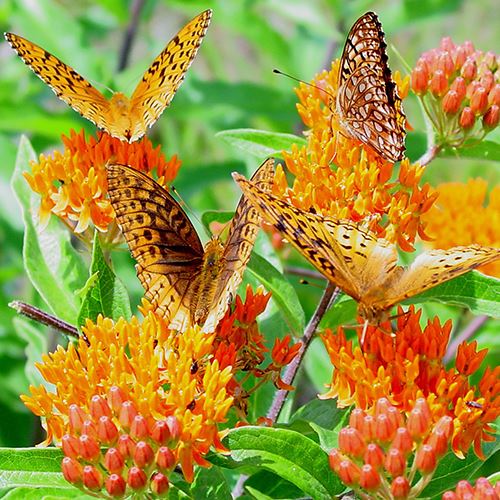
While walking through your favorite Metropark on a warm summer day, you may have passed the biggest, and buzziest, party of the season. The guests arrive in all different shapes and sizes, from butterflies and bees to wasps and beetles. And the hosts? Beautiful summer wildflowers, inviting pollinators with bright colors, sweet scents, and the promise of nectar and pollen.
Although this may seem like a carefree summer gathering, each visit serves an important purpose. Behind the buzz is one of nature’s most important processes: pollination. As pollinators travel from flower to flower, they carry pollen between blooms, vital for a plant's success. In fact, over 87% of the world’s flowering plants rely on pollinating animals for their reproduction, making pollination a can’t miss occasion.
Over time, flowers have developed unique colors, shapes, scents, and nectar rewards to attract different kinds of pollinators. These characteristics are called “pollinator syndromes” – the idea that certain floral traits appeal to particular types of pollinators. For example, a bee may be more attracted to a shallow yellow flower with a fresh scent rather than a bright red flower with deeply hidden nectar that might draw a butterfly in.
Even so, nature is not known for following the rules. The differences in flower blooms act less like exclusive guest lists and more like open-door invites for pollinators. A flower adapted for one type of pollinator will not turn away another visitor. For instance, despite bright orange-red flowers and being a host plant for monarch butterfly larvae, native butterfly milkweed (Asclepias tuberosa) attracts much more than just its namesake. Various bees, wasps, beetles, and even ants are known to frequent the blooms as well. Many plant species benefit from a wide variety of pollinators visiting throughout the season.
Along with appealing invitations, every great party needs even better hosts. Native plants have perfected the role. Having evolved alongside pollinators, native plant species have the nectar and pollen their guests are looking for. Although some pollinators are generalists that can mingle at a wide variety of floral gatherings, others are specialists that like to stick to the plants they know. Planting native means we can support local pollinators and keep guest lists full year after year.
So, the next time you find yourself surrounded by blooming wildflowers, take a closer look and watch the party unfold. Notice which pollinators visit different flowers and how they move from bloom to bloom. And if you’d like to bring the party closer to home, consider planting native flowers in your own garden or yard.