A Tree-mendous Effort
By Karen Menard
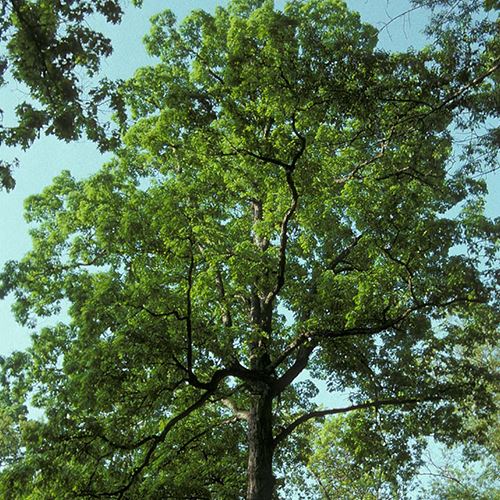
In the last 10 years, Metroparks has embarked on a long-term tree planting project encompassing many park sites. So far, the total amount of trees added to the landscape has surpassed the 100,000 mark, populating approximately 300 acres of parkland with some even calling urban sites like Manhattan Marsh, Swan Creek Preserve and Glass City Metropark, “home.”
Why add trees to the urban landscape? The short answer is…we need them.
In urban environments, heat re-radiates from asphalt and concrete, and waste heat is produced from air conditioners, vehicles and industry during heatwaves, causing significant increases in temperatures. Trees are critical assets in and around these areas because they naturally act as air conditioners through the cooling effect of shade and the process of evapotranspiration—the release of water vapor. In fact, approximately, 95% of the water absorbed by most tree species is actually pumped into the atmosphere, with just the smaller, remaining percentage being utilized for growth. A mature oak has the amazing ability to absorb up to 100 gallons of water daily; therefore, contributing thousands of vital gallons during the entire growing season. Consequently, numbers of trees added to urban spaces can reduce the intense effects of heat during the hottest months of the year.
Overall, trees offer many other great benefits, as well.
At the top of the list is improved air quality through the production and release of oxygen and the absorption of harmful pollutants like carbon monoxide, sulfur dioxide and nitrogen dioxide. Additionally, during large rain events, the water quality of nearby streams, as well as Lake Erie is conserved as trees are able to store large quantities of rainwater; therefore, reducing the flow of runoff and sediment deposits into other bodies of water. Soil erosion along banks, ditches and agricultural sites is also slowed as a result of mighty root systems, anchoring soil in place and slowing down any possibility of more silt being carried into the Maumee River.
And, let’s not forget the immense benefits to wildlife. Amenities like canopy cover, food and shelter for birds, mammals, and pollinators like butterflies and moths aid in connecting the entire food chain.
Our natural landscape isn’t the same as it was 200 years ago, where swamp woodland, wet prairie and marsh were linked closely. The original swamp forests of Northwest Ohio were dominated by American elm, black cherry, green ash, sycamore, basswood, walnut, and hickory. Across the Maumee River was the Great Black Swamp, a forest which harbored many large trees and some of the richest, wettest and stickiest soil in the region.
Drainage modifications, farming, urbanization, and lumbering have dramatically fragmented these landscapes and, overall, changed much of it over time. Through reforestation and other urban restoration efforts, trees can contribute to a healthier ecosystem, which means greater sustainability of local biodiversity and cleaner air and water for all of us.
Did you know?
Metroparks is a partner with the City of Toledo Re-tree program and will be involved with the installation of 1,648 trees over the next few years in the downtown area. For more information on this important, urban restoration project, go to https://toledo.oh.gov/residents/neighborhoods/re-tree-toledo